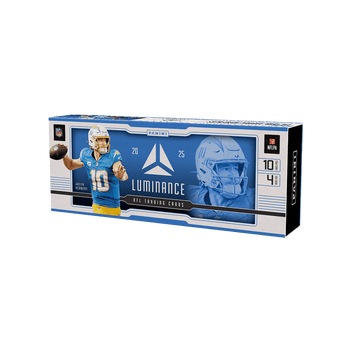
The world of sports cards has evolved from dusty hobby cabinets to dynamic digital marketplaces, where collectors can discover rare finds without leaving their homes. Navigating this landscape requires more than luck; it demands an understanding of market trends, grading standards, and the subtle cues that separate a common release from a true investment piece. This guide explores how to uncover hidden gems at the premier Online Sports Card Store, offering practical strategies, key categories to watch, and tips for evaluating authenticity and value.
Why an Online Platform Beats Traditional Brick-and-Mortar
Digital storefronts provide unparalleled access to inventory from across the globe, allowing collectors to compare prices, view high-resolution scans, and purchase with confidence. Unlike a local shop that may carry only a limited selection, an established Sports Card Store aggregates products from multiple distributors, giving a broader view of what’s available.
- Instant inventory updates: Real-time listings mean the latest releases and rare pulls appear the moment they’re stocked.
- Advanced search filters: Filter by year, sport, player, condition, or price range to zero in on exactly what you need.
- Secure transactions: Integrated payment gateways and buyer protection policies reduce the risk of fraud.
Key Categories to Explore
1. Modern Parallel Sets
Parallel cards, those with unique foil, color, or serial-numbered variations, often hide the highest ROI potential. While base cards are plentiful, limited-edition parallels can skyrocket in value within a single season.
- Look for low-serial-numbered parallels (e.g., 1/10, 1/25) that are listed alongside the base set.
- Check the Trading Card Store for “sealed boxes” that contain a random assortment of parallels, increasing the chance of a surprise hit.
- Pay attention to foil types (holographic, rainbow, “prismatic”) which often command premiums.
2. Vintage Trading Cards
Cards produced before the 1990s continue to be the backbone of serious collections. The rarity of well-preserved examples makes them a reliable hedge against market volatility.
- Focus on iconic players from the 70s and 80s whose careers have stood the test of time.
- Prioritize cards graded by reputable services (PSA, BGS, or SGC) to ensure authenticity.
- Explore the Vintage Trading Cards section for graded slabs and loose cards that have been professionally authenticated.
3. Sports Memorabilia Beyond Cards
A well-rounded collection often includes items that complement the card portfolio, such as autographed photos, game-used equipment, and limited-edition memorabilia.
- Seek items with clear provenance, certificates of authenticity, serial numbers, or documented chain of custody.
- Cross-reference prices with recent auction results to gauge market demand.
- The Sports Memorabilia Store offers curated selections that align with popular card themes, making it easy to build a cohesive collection.
How to Evaluate Potential Hidden Gems
Not every low-serial card or vintage find is a treasure. Applying a systematic evaluation process helps separate genuine opportunities from hype-driven noise.
- Condition assessment: Even minor surface flaws can dramatically affect value. Look for high-resolution images that show corners, edges, and centering.
- Market trend analysis: Use price-tracking tools (e.g., eBay sold listings, auction house results) to identify upward or downward trajectories.
- Player relevance: Rising stars, Hall of Famers, and players entering new milestones (e.g., 3,000 career hits) often experience spikes in card demand.
- Supply scarcity: Limited print runs, discontinued sets, or cards pulled from sealed boxes create natural scarcity, driving price appreciation.
Strategic Purchasing Tips for the Savvy Collector
Maximizing return on investment involves timing, diversification, and disciplined budgeting.
- Set a budget per category: Allocate funds for modern parallels, vintage cards, and memorabilia separately to avoid over-concentration.
- Leverage seasonal sales: Many online stores run promotions around major sporting events (Super Bowl, World Series) that can lower acquisition costs.
- Buy in bulk when appropriate: Sealed box purchases often include multiple parallels and can be more cost-effective than single-card buys.
- Monitor restocks: Sign up for email alerts or follow social media feeds of the Sports Card Store to act quickly when high-demand items reappear.
Maintaining and Showcasing Your Collection
The value of a collection is not only in the cards themselves but also in how they are preserved and presented.
- Protective storage: Use acid-free sleeves, top loaders, and climate-controlled binders to prevent deterioration.
- Digital cataloging: Maintain a spreadsheet or specialized software that records purchase price, grading, and provenance for each item.
- Public exposure: Participate in online forums, virtual trade shows, or curated showcases to increase visibility and attract potential buyers.
Conclusion
Discovering hidden gems at a leading Trading Card Store requires a blend of market knowledge, meticulous research, and disciplined purchasing habits. By focusing on limited parallels, authentic vintage pieces, and complementary memorabilia, collectors can build a portfolio that not only reflects personal passion but also stands up to market scrutiny. The digital age offers tools and resources that, when used wisely, turn the hunt for rare cards into a rewarding and potentially lucrative endeavor.
About the Author
