Private security guards play a vital role in safeguarding residential, commercial, and industrial environments. Their presence deters crime, provides rapid response to incidents, and offers a reassuring sense of safety for occupants and visitors alike. Among the most reliable professionals in this field are veterans who bring disciplined training, leadership experience, and a deep commitment to service. This article explores how veteran security personnel contribute to peace of mind, the core competencies they possess, and best practices for organizations seeking to integrate these experts into their safety strategies.
Why Veterans Excel in Private Security
Military service instills a unique blend of skills that translate directly to the private security arena. These attributes include:
- Rigorous Discipline: Adherence to protocols and procedures ensures consistent performance under pressure.
- Situational Awareness: Trained to assess environments quickly, veterans can identify potential threats before they materialize.
- Leadership and Teamwork: Experience leading squads fosters effective coordination with colleagues, law-enforcement, and emergency responders.
- Physical Fitness and Resilience: Maintaining peak condition enables rapid reaction and endurance during extended patrols.
These qualities make veteran guards a preferred choice for high-risk locations such as data centers, government facilities, and large public venues.
Core Responsibilities of Private Security Guards
Access Control and Monitoring
Effective access management is the first line of defense. Guards verify credentials, operate electronic gate systems, and conduct visual inspections to prevent unauthorized entry. Integrating modern technology, such as CCTV and biometric scanners, enhances this process. For a deeper dive into access control strategies, Read more about this topic.
Patrol and Surveillance
Regular patrols, both foot and vehicle-based, create a visible deterrent and allow guards to detect irregularities early. During patrols, they:
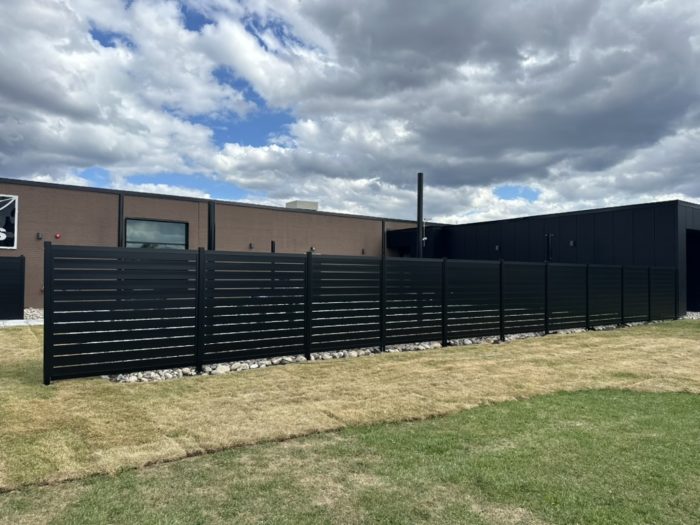
- Check perimeter fences, doors, and windows for signs of tampering.
- Observe lighting conditions and report any failures that could create blind spots.
- Document observations in detailed incident logs.
For guidance on structuring effective patrol routes, Learn more in this detailed guide.
Emergency Response and Reporting
When incidents occur, veteran guards are trained to:
- Initiate emergency protocols, including lockdowns and evacuations.
- Provide immediate first aid or coordinate with medical personnel.
- Communicate clearly with local law-enforcement and relay accurate information.
Understanding the legal obligations of private security is essential; additional resources can be found by Explore further insights here.
Integrating Veteran Guards into an Organization’s Security Plan
Employers looking to leverage veteran expertise should follow a systematic approach:
- Define Security Objectives: Identify critical assets, risk levels, and desired response times.
- Develop a Job Description Aligned with Military Experience: Highlight required clearances, physical demands, and leadership responsibilities.
- Partner with Veteran Transition Programs: These programs connect qualified individuals with civilian security roles.
- Provide Ongoing Training: While veterans bring foundational skills, refresher courses on local regulations, technology, and customer service ensure compliance.
- Implement Performance Metrics: Track response times, incident reductions, and client satisfaction to measure effectiveness.
For a comprehensive overview of building a robust security framework, Find additional information here.
Benefits Beyond Immediate Protection
- Community Trust: Veterans are often respected members of the community, fostering a cooperative atmosphere.
- Reduced Turnover: The structured nature of military careers translates into higher retention rates in security positions.
- Enhanced Training Culture: Veteran guards frequently mentor newer staff, raising overall competency.
- Adaptability: Experience in varied operational theaters equips them to handle diverse scenarios, from cyber-physical threats to natural disasters.
Future Trends in Private Security Guard Services
Technology continues to reshape the security landscape, and veteran guards are uniquely positioned to integrate these tools effectively. Emerging trends include:
- Artificial Intelligence Surveillance: AI can flag suspicious behavior in real-time, allowing guards to focus on verification and response.
- Mobile Command Centers: Handheld devices provide instant access to incident reports, floor plans, and communication channels.
- Integrated Cyber-Physical Security: As physical breaches can lead to digital compromises, guards receive cross-training in basic cybersecurity awareness.
Staying informed about these developments is essential for maintaining a proactive security posture. For further reading on how technology intersects with security operations, Read more about this topic.
Conclusion
Veteran private security guards bring a disciplined, experienced, and adaptable workforce capable of delivering reliable protection across a wide range of environments. Their military background provides a solid foundation for effective access control, vigilant patrols, and decisive emergency response. By thoughtfully integrating these professionals into security strategies, organizations can achieve heightened safety, operational continuity, and lasting peace of mind for all stakeholders.
About the Author