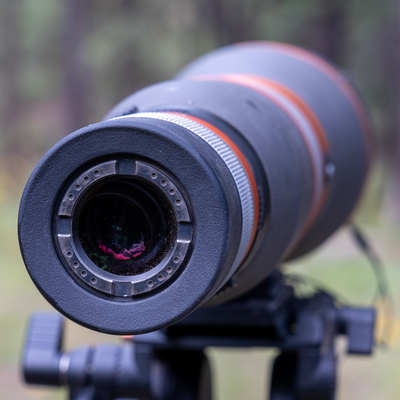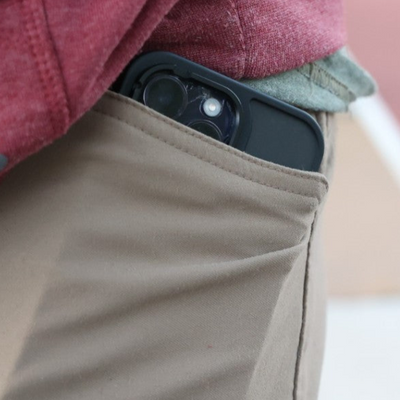
When a spotting scope meets a smartphone, the result is a powerful combination that brings high-magnification imaging to the palm of the hand. A phone adapter designed for spotting scopes eliminates the need for bulky tripods or expensive camera rigs, allowing birdwatchers, hunters, astronomers, and field researchers to capture crystal-clear photos and video in seconds. The key advantage of these adapters is their simplicity: a few quick steps are all that separate a raw visual observation from a share-ready image. Below, the installation process, optimal usage tips, and troubleshooting advice are broken down into clear, actionable sections so that anyone can start documenting their observations in minutes.
Understanding the Phone Adapter
A phone adapter for a spotting scope is essentially a mounting bridge that aligns the smartphone’s camera lens with the eyepiece of the scope. Most models feature adjustable clamps, rubberized pads, and a universal smartphone holder that accommodates a wide range of device sizes. When choosing an adapter, consider the following factors:
- Compatibility: Verify that the adapter supports the diameter of your spotting scope’s eyepiece (commonly 1.25″ or 2″).
- Stability: Look for non-slip rubber inserts that keep the phone steady during prolonged shooting.
- Adjustability: A sliding mechanism for fine-tuning focus ensures sharp images across different magnifications.
- Portability: Lightweight aluminum or polymer constructions make field deployment effortless.
For a deeper dive into selecting the right hardware, Discover expert strategies here and explore the range of adapters that meet professional standards.
Step-by-Step Installation
1. Prepare Your Equipment
- Clean the eyepiece and the phone’s camera lens with a microfiber cloth to remove dust or fingerprints.
- Gather the adapter, a small screwdriver (if required), and your smartphone.
2. Attach the Adapter to the Spotting Scope
- Open the eyepiece clamp on the adapter.
- Slide the adapter’s tube over the eyepiece until it sits snugly; tighten the clamp until there is no wobble.
- Check that the adapter’s alignment marks (if present) line up with the scope’s optical axis.
3. Secure the Smartphone
- Place your phone into the holder, ensuring the rear camera faces the eyepiece.
- Adjust the holder’s width so the phone rests firmly without pressure on the screen.
- Lock the holder in place using the provided screws or quick-release lever.
4. Fine-Tune Focus
- Use the adapter’s sliding focus ring to move the phone forward or backward until the image on the screen appears sharp.
- For scopes with variable magnification, repeat the focus adjustment each time you change zoom levels.
These steps typically take under five minutes, allowing you to transition from setup to capture almost instantly. For additional guidance on precise alignment, Learn about our tailored solutions.
Optimizing Image Quality
Even with a perfect mechanical connection, image quality can vary based on software settings and environmental conditions. Follow these best practices to maximize clarity and detail:
- Lock Exposure: Disable automatic exposure in your camera app to prevent brightness shifts when the scope’s light changes.
- Use Manual Focus: If your phone supports it, switch to manual focus to avoid the camera hunting for focus while you’re framing the shot.
- Stabilize the Scope: Employ a sturdy tripod or a stable rest for the spotting scope; even minor vibrations are magnified at high power.
- Adjust ISO and Shutter Speed: Lower ISO reduces noise, while a slightly longer shutter speed captures more detail in low-light situations.
- Utilize HDR Mode: High dynamic range can balance bright skies with darker foregrounds when photographing landscapes.
For a comprehensive list of camera settings tailored to specific wildlife scenarios, Explore advanced guides and tips.
Common Troubleshooting Scenarios
Blurred or Out-of-Focus Images
Check the following:
- Adapter may be too far from or too close to the eyepiece, re-adjust the focus ring.
- Phone’s camera lens might be dirty; clean it again.
- Insufficient lighting; increase ambient light or use a small LED light source.
Vignetting or Dark Corners
This often occurs when the phone’s camera sensor is not perfectly centered over the eyepiece. Re-center the device in the holder and tighten the clamps to prevent movement.
Adapter Slippage
If the adapter shifts during use, verify that all screws are tightened and that the rubber pads are seated correctly. Replacing worn pads with fresh silicone inserts can restore grip.
For a full troubleshooting checklist, Find out more about this approach and keep it handy during fieldwork.
Practical Applications
The versatility of a phone-mounted spotting scope opens doors across multiple disciplines:
- Birdwatching: Capture high-resolution images of feather patterns without disturbing the birds.
- Hunting: Document game sightings for post-hunt analysis and legal verification.
- Astronomy: Record planetary details and lunar surface features using a modest telescope attachment.
- Environmental Survey: Document plant health, water clarity, and geological formations for research reports.
Each use case benefits from the rapid setup and the ability to share observations instantly via social media or data-logging platforms.
Maintenance and Longevity
To ensure the adapter remains reliable season after season, adopt these maintenance habits:
- After each outing, wipe down the adapter and eyepiece with a dry cloth to remove moisture.
- Store the adapter in a padded case to protect against knocks and dust.
- Periodically inspect the rubber pads for wear and replace them as needed.
- Check all screws for tightness before heading into the field.
Consistent care not only preserves image quality but also extends the life of both the spotting scope and the smartphone.
Conclusion
Integrating a phone adapter with a spotting scope transforms a traditional optical instrument into a modern, shareable imaging tool. By following the straightforward installation steps, fine-tuning focus, and applying targeted photography settings, users can capture professional-grade visuals in a matter of minutes. Whether for hobbyist birding, scientific documentation, or outdoor adventure, the adapter delivers a blend of precision and convenience that aligns with the expectations of today’s discerning observers. For further resources, product specifications, and community insights, Explore advanced guides and tips and stay ahead of evolving field techniques.
About the Author