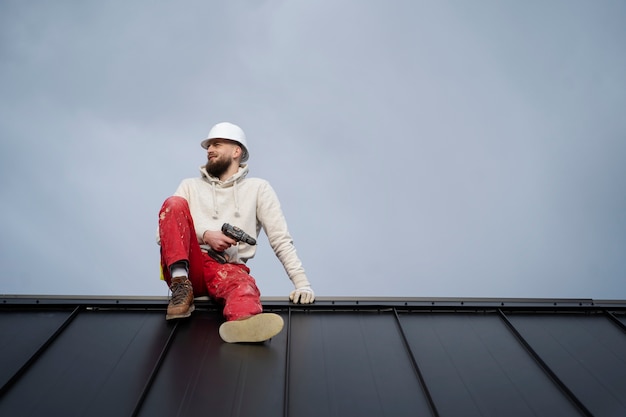
Commercial roofs play a crucial role in protecting businesses from the elements, ensuring the safety and comfort of the occupants, and maintaining the structural integrity of the building. The process of commercial roof installation is complex and requires careful planning, precise execution, and a deep understanding of various roofing materials and techniques. This guide offers insights into the essential aspects of commercial roof installation, helping business owners and facility managers make informed decisions to achieve a durable and efficient roofing solution.
Understanding Commercial Roof Installation
Commercial roof installation involves several steps, each critical to the overall performance of the roof. Understanding these steps can help in overseeing the project effectively and ensuring that the installation is performed to the highest standards.
Initial Assessment and Planning
A thorough assessment of the building’s needs and the environmental conditions is the first step in planning a commercial roof installation. This phase includes:
- Evaluating the building’s structure and design.
- Considering local climate and weather patterns.
- Identifying potential obstacles such as HVAC systems or skylights.
Explore advanced guides and tips on how to effectively assess and plan your commercial roof installation.
Choosing the Right Roofing Materials
Selecting the appropriate materials is pivotal to the longevity and performance of a commercial roof. Different materials offer varying benefits, and the choice depends on factors such as budget, climate, and building design. Common commercial roofing materials include:
- Metal roofing: Known for durability and resistance to extreme weather.
- Single-ply membranes: Offers flexibility and ease of installation.
- Modified bitumen: Provides excellent waterproofing and strength.
Find out more about this approach to selecting the best materials for your commercial roof.
The Installation Process
The installation phase is where all planning and material selection come together. Each step must be conducted with precision to ensure the roof’s effectiveness and longevity.
Preparing the Roof Substrate
Proper preparation of the roof substrate is essential for a successful installation. This includes:
- Cleaning the surface thoroughly to remove debris and contaminants.
- Inspecting for any damages or imperfections that need repair.
- Ensuring proper insulation is in place to enhance energy efficiency.
Discover expert strategies here for preparing your roof substrate effectively.
Installing the Roofing System
The actual installation of the roofing system requires skilled professionals to ensure the roof is watertight and secure. Key considerations during installation include:
- Adhering to manufacturer guidelines for material installation.
- Implementing proper sealing techniques to prevent leaks.
- Ensuring all components, such as flashing and gutters, are correctly installed.
Learn about our tailored solutions for a flawless commercial roof installation.
Post-Installation Considerations
The work doesn’t end once the roof is installed. Continuous maintenance and inspections are vital to prolonging the roof’s life and ensuring it remains in optimal condition.
Regular Maintenance and Inspections
Implementing a regular maintenance schedule can prevent minor issues from becoming major problems. Consider the following:
- Schedule bi-annual inspections to assess the roof’s condition.
- Perform routine cleaning to remove debris and prevent water buildup.
- Address any signs of wear or damage promptly to avoid costly repairs.
Find out more about this approach to maintaining your commercial roof.
A professional approach to commercial roof installation ensures the longevity and efficiency of the roof, safeguarding the building and its occupants. By understanding the process and utilizing expert resources, business owners can achieve a successful installation that meets their specific needs.
About the Author

