Curcumin, the vibrant yellow compound extracted from the turmeric root, has become a staple in the health-and-wellness toolkit thanks to its potent antioxidant and anti-inflammatory properties. With a growing market of products promising higher potency, better absorption, and added synergistic ingredients, selecting the right supplement can feel overwhelming. This guide breaks down the science, regulatory considerations, and practical tips that will empower UK consumers to make an informed choice, whether the goal is joint comfort, digestive support, or overall vitality.
Understanding Curcumin and Its Benefits
Curcumin is the primary active constituent of turmeric, a spice traditionally used in Ayurvedic medicine. Research highlights several mechanisms of action that underpin its health benefits:
- Anti-inflammatory activity: Inhibits NF-??B pathways, reducing chronic inflammation.
- Antioxidant protection: Neutralises free radicals and boosts endogenous antioxidant enzymes.
- Metabolic support: May improve insulin sensitivity and assist in weight management.
- Joint health: Helps alleviate discomfort associated with osteoarthritis.
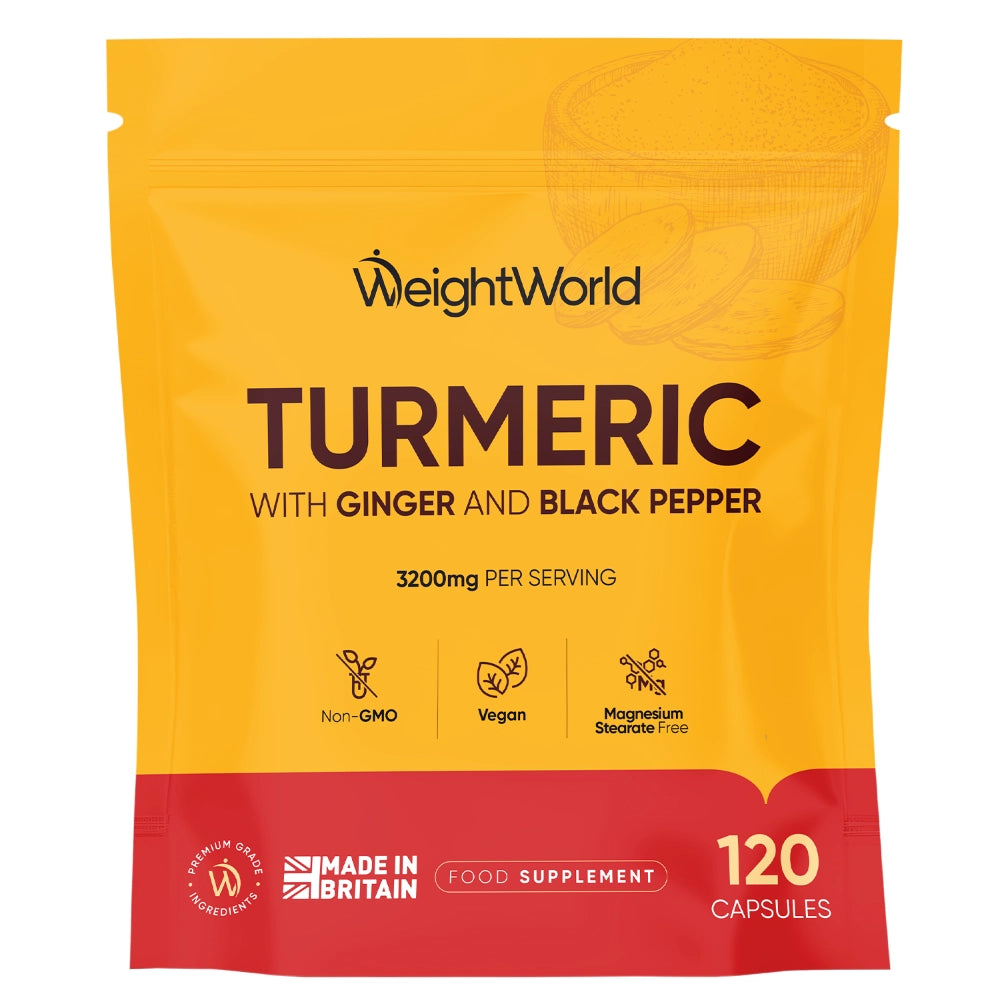
Because the raw compound is poorly absorbed on its own, reputable manufacturers often combine curcumin with bioenhancers such as piperine (black pepper extract) or formulate it in micellar or phytosomal forms to increase systemic availability.
Key Factors to Evaluate When Choosing a Curcumin Supplement
1. Bioavailability
The most critical factor is how much curcumin actually reaches the bloodstream. Look for products that mention:
- Standardised extracts (e.g., 95% curcuminoids).
- Inclusion of piperine or proprietary delivery systems (micelles, liposomes, phytosomes).
- Clinical evidence supporting the chosen technology.
Studies show that piperine can increase curcumin absorption by up to 2000%, making it a common and effective enhancer.
2. Dosage and Concentration
Effective daily doses typically range from 500″?mg to 2000″?mg of curcuminoids, depending on the intended benefit. Check the label for:
- Total curcumin per serving.
- Number of capsules or tablets required to reach the target dose.
- Any recommended loading phases.
3. Purity and Additive Profile
High-quality supplements avoid unnecessary fillers, artificial colours, and allergens. Preferred attributes include:
- Non-GMO, gluten-free, and dairy-free formulations.
- Transparent ingredient lists with clear sourcing information.
- Absence of heavy metals or pesticide residues, verified by third-party testing.
4. Certification and Regulatory Compliance
In the UK, supplements are regulated by the Food Standards Agency (FSA) and must comply with the Food Supplements (England) Regulations 2003. Look for:
- UKCA or CE marking indicating conformity with safety standards.
- Certificates of Analysis (CoA) available on the manufacturer’s website.
- Membership in recognised industry bodies such as the UK Supplement Alliance.
Popular Forms of Curcumin Supplements
Consumers can choose from capsules, tablets, powders, and liquid extracts. Each format has distinct advantages:
- Capsules: Often encapsulated with oil-based carriers to improve absorption; convenient for precise dosing.
- Tablets: Typically compressed with binders; may include additional vitamins or minerals for a broader health profile.
- Powders: Flexible for mixing into smoothies; ideal for those who prefer custom dosing.
- Liquid extracts: Rapid absorption through sublingual administration, though stability can be a concern.
When searching for best turmeric tablets or capsules, prioritize those that combine curcumin with a proven bioenhancer.
How to Spot a High-Quality Product in the UK Market
Applying a systematic checklist can simplify the decision-making process. Consider the following criteria before adding a supplement to your regimen:
- Ingredient Transparency: Full disclosure of curcumin content, source (e.g., organic turmeric), and any adjuncts.
- Third-Party Testing: Independent labs verify potency and safety; look for published test results.
- Reputable Retailer: Established UK-based e-commerce platforms often enforce stricter quality controls.
- Customer Feedback: Consistent positive reviews, especially regarding absorption and digestive tolerance.
- Value for Money: Compare cost per milligram of curcuminoids rather than per capsule.
Brands that consistently appear in lists of the best turmeric supplements usually meet most of these benchmarks.
Specific Considerations for UK Consumers
The UK market offers a range of locally manufactured and imported options. When evaluating turmeric supplements uk, keep these points in mind:
- Brexit-Related Labelling: Ensure the product complies with UK labelling requirements, including allergen statements.
- VAT Implications: Some health supplements qualify for reduced VAT; verify on the retailer’s site.
- Delivery & Returns: Choose suppliers with clear return policies and fast UK shipping.
Frequently Asked Questions
Can curcumin be taken on an empty stomach?
Because curcumin is fat-soluble, it is best consumed with a meal containing healthy fats to maximise absorption.
Is it safe to combine curcumin with medication?
Curcumin can interact with blood thinners and certain diabetes medications. Consulting a healthcare professional before starting a regimen is advisable.
How long does it take to notice benefits?
Most users report measurable improvements in joint comfort or digestive ease within 2-4 weeks of consistent dosing, though individual responses vary.
Conclusion
Choosing the best curcumin supplement uk involves balancing bioavailability, dosage, purity, and regulatory compliance. By applying the outlined checklist, reviewing third-party certifications, and favouring products that pair curcumin with proven enhancers, UK consumers can confidently select a supplement that aligns with their health goals. Whether the priority is joint support, antioxidant protection, or metabolic balance, a well-chosen curcumin product can become a valuable addition to a holistic wellness routine.
About the Author