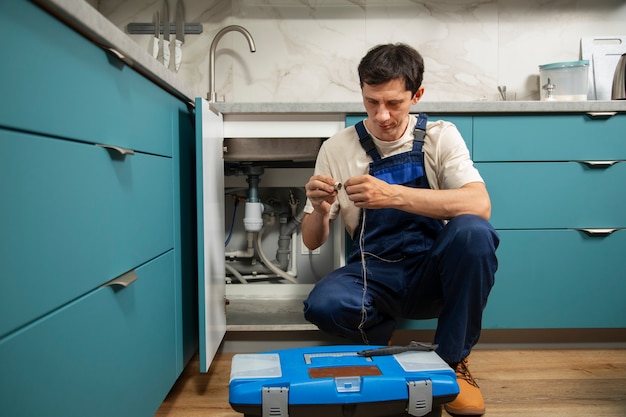
Water damage is a distressing event that can strike at any time, causing significant disruptions to daily life. Whether due to natural disasters, plumbing mishaps, or structural failures, the resulting damage can be extensive and costly. In such situations, time is of the essence. Quick and efficient water restoration services are crucial to mitigate further damage and restore normalcy. For those seeking trusted water restoration services nearby, understanding the key aspects of what makes a service dependable is critical.
Understanding Water Damage and Its Implications
Water damage can be classified into several categories based on the source and contamination level. Understanding these categories helps in selecting the appropriate restoration approach:
- Category 1: Clean water from a sanitary source, such as broken pipes or rainwater.
- Category 2: Gray water with contaminants that may cause discomfort or illness, such as from washing machines or dishwashers.
- Category 3: Black water, highly contaminated, potentially causing severe illness, typically from sewage or flooding from rivers.
Each category requires specific handling, and the expertise of a professional restoration service is essential. For more on tailored solutions, learn about our tailored solutions.
Key Attributes of a Trusted Water Restoration Service
Selecting a reliable water restoration service involves evaluating several critical factors:
- Rapid Response Time: Speed is crucial in water damage scenarios. An immediate response helps prevent further deterioration and potential mold growth.
- Expertise and Certifications: Certified professionals possess the skills necessary for effective assessment and restoration.
- Use of Advanced Equipment: Modern technology ensures thorough water extraction, drying, and dehumidification.
- Comprehensive Services: A competent service will handle all aspects, from water removal to structural repairs.
- Insurance Assistance: Navigating insurance claims can be complex; assistance in this area is a significant advantage.
Discover expert strategies here for dealing with water damage efficiently.
Steps Involved in Water Restoration
A methodical approach is essential in water restoration to ensure comprehensive recovery:
Initial Assessment and Inspection
Professionals conduct an initial inspection to assess the extent of the damage and determine the appropriate category and class of water damage. This step is crucial for devising an effective restoration plan.
Water Extraction and Drying
The next step involves removing standing water using industrial-grade equipment. High-powered pumps and vacuums are typically employed, followed by drying with dehumidifiers and air movers to eliminate residual moisture.
Cleaning and Sanitizing
To prevent microbial growth, affected areas are thoroughly cleaned and sanitized. This step is particularly critical in Category 2 and 3 water damage cases where contaminants pose health risks.
Restoration and Repairs
Finally, restoration involves repairing or replacing damaged structures and materials. This may include drywall replacement, floor repairs, and repainting.
For advanced guides and tips on the water restoration process, explore advanced guides and tips.
Choosing Local Restoration Services
Opting for local water restoration services offers several benefits:
- Faster Response Times: Proximity ensures quicker arrival times, minimizing damage.
- Community Reputation: Local services often rely on community trust, ensuring quality service delivery.
- Knowledge of Local Regulations: Familiarity with local building codes and insurance processes can expedite restoration.
Find out more about this approach to selecting reliable local services here.
When facing water damage, relying on trusted and experienced professionals ensures not only the swift recovery of property but also peace of mind. By understanding the nuances of water damage and restoration, property owners can make informed decisions and choose services that best meet their needs.
About the Author


